Tilidine at a glance
The prolonged-release tablet releases tilidine slowly, keeping pain relief steady for about twelve hours. The usual dose is two tablets a day. The added naloxone is meant to discourage misuse.
What is Tilidine?
Tilidine is an opioid. It is converted into its active form in the liver and then binds to opioid receptors in the nervous system. As a result, pain is felt much less strongly.
When taken correctly, the added naloxone is almost completely broken down in the liver and does not affect pain relief. If the tablet is misused, naloxone blocks the opioid effect.
When Tilidine is prescribed
Doctors use Tilidine for pain that lasts many hours and no longer responds to simple painkillers. Typical examples are severe back pain, osteoarthritis, pain after accidents or surgery and chronic pain.
The four strengths
| Strength | Tilidine | Naloxone |
|---|---|---|
| 50/4 | 50 mg | 4 mg |
| 100/8 | 100 mg | 8 mg |
| 150/12 | 150 mg | 12 mg |
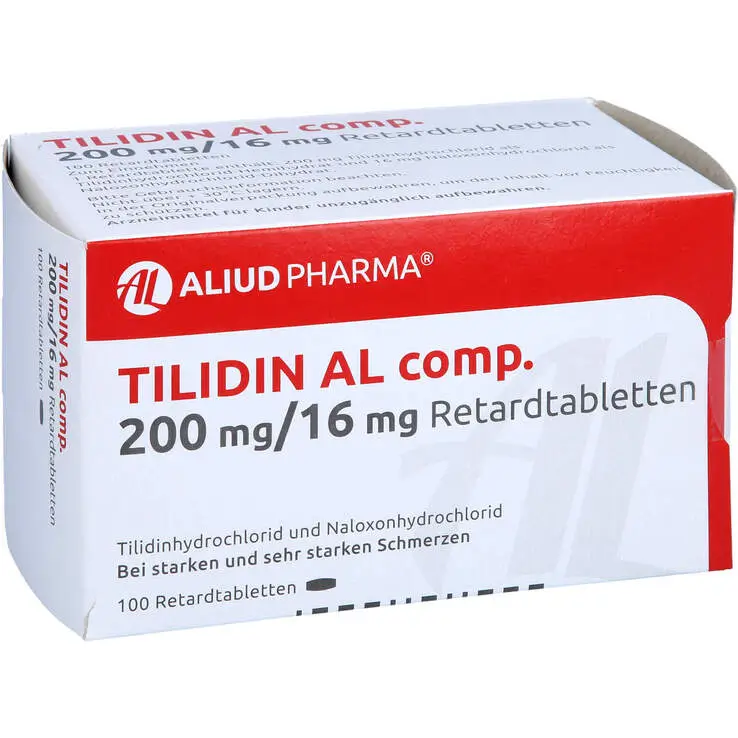
| 200/16 | 200 mg | 16 mg |
Treatment usually starts with the lowest strength. Swallow the tablets whole, otherwise all the active ingredient is released at once.
Possible side effects
Nausea, dizziness, tiredness and sweating are common, especially in the first days. Headache and stomach complaints can also occur. If you notice shallow breathing or severe drowsiness, seek medical help immediately.
Tilidine can be habit-forming even with naloxone. Do not combine it with alcohol, sleeping pills, sedatives or other opioids. After longer use, the dose is reduced gradually.
Who should not take Tilidine
Tilidine is not suitable for people with severe liver damage, severe breathing problems or an existing opioid dependence. During pregnancy and breastfeeding it is only prescribed in exceptional cases.
This information does not replace the package leaflet or advice from a doctor or pharmacist.