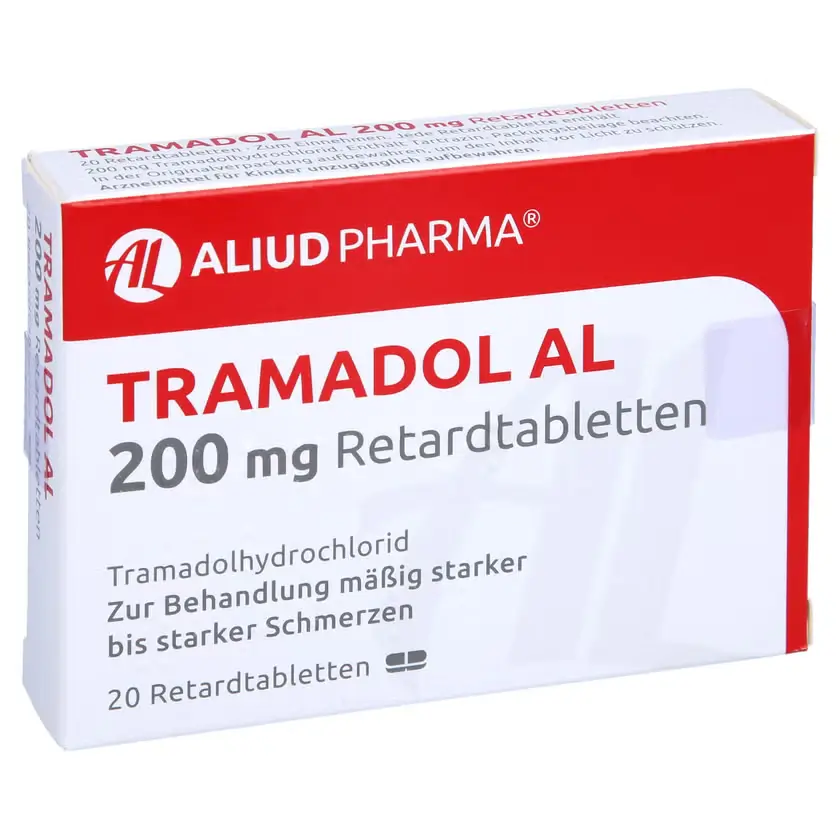
Tramadol at a glance
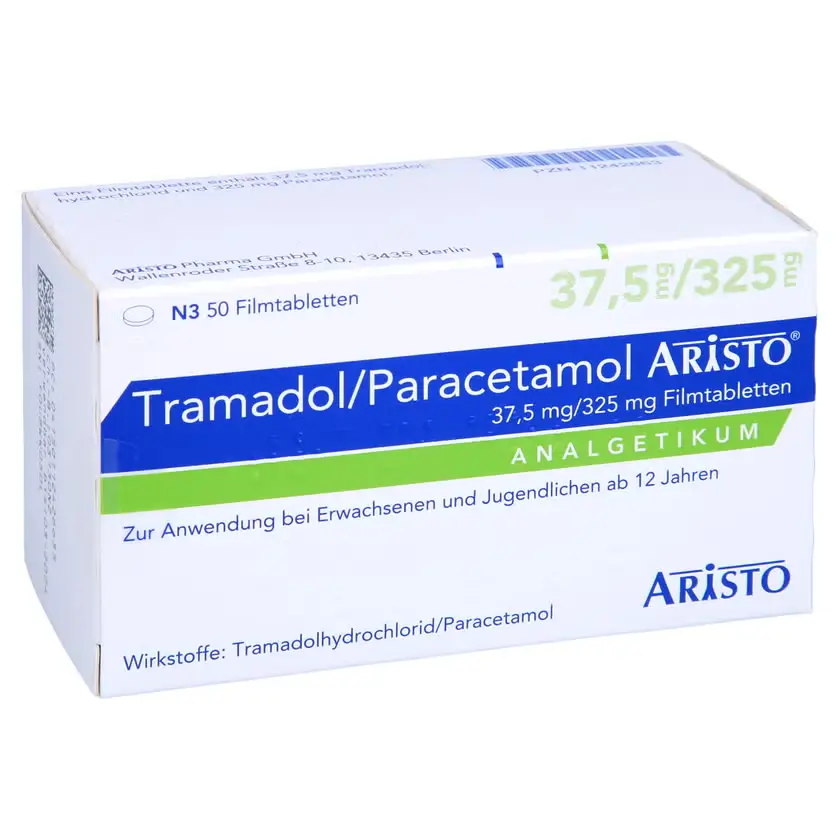
Tramadol relieves moderate to severe pain. Capsules and drops start working after about half an hour and last four to six hours, prolonged-release tablets about twelve hours. Nausea and dizziness are common at first. Adults take no more than 400 mg a day.
How Tramadol works
Tramadol acts in the brain and spinal cord. It binds to opioid receptors and weakens the transmission of pain signals. The pain usually does not disappear completely, but it is felt much less strongly.
Tramadol also slows the reuptake of the messengers serotonin and noradrenaline. This sets it apart from many other opioids and explains some of its interactions.
When Tramadol is prescribed
Doctors prescribe Tramadol when simple painkillers such as ibuprofen or paracetamol are no longer enough. Typical reasons are severe back pain, pain after injuries or surgery and persistent joint pain.
Which form is right?
| Form | Duration | Intended for |
|---|---|---|
| Capsules 50 mg | 4–6 hours | pain peaks, flexible use |
| Drops 100 mg/ml | 4–6 hours | fine dosing, swallowing problems |
| Prolonged-release tablets | about 12 hours | pain throughout the day |
Prolonged-release tablets are swallowed whole. Chewed or split, all the active ingredient would be released at once.
Possible side effects
Nausea and dizziness are very common, especially in the first few days. Headache, tiredness, constipation, dry mouth and sweating can also occur. Because Tramadol can slow your reactions, you should not drive at the beginning of treatment.
Tramadol can be habit-forming. After longer use it should not be stopped suddenly. Do not combine it with alcohol, sleeping pills or sedatives, and only with antidepressants after consulting your doctor.
Who should not take Tramadol
Tramadol is not suitable for people with poorly controlled epilepsy, severe breathing, liver or kidney problems, or a history of addiction. During pregnancy and breastfeeding it is only prescribed in exceptional cases. Please list all medicines you take regularly in the questionnaire.
This information does not replace the package leaflet or advice from a doctor or pharmacist.